Notifications
Clear all
Africa News
1
Posts
1
Users
0
Reactions
32
Views

Topic starter
03/11/2025 1:45 am
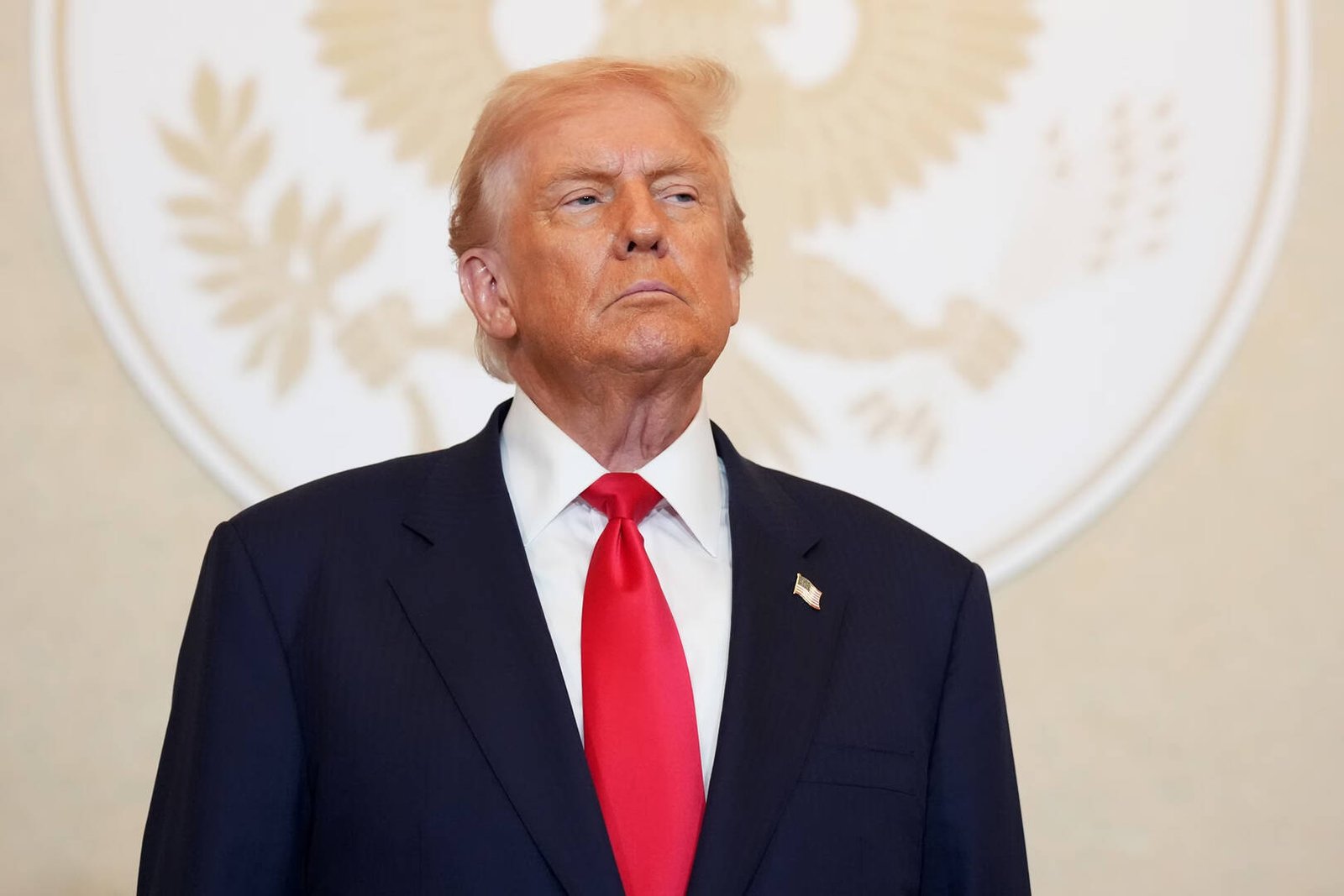
US President Donald Trump has threatened military intervention in Nigeria, citing the alleged persecution of Christians by Islamic extremists. His comments have sparked a diplomatic row, with Nigeria rejecting the claims as misleading and emphasising its constitutional protections for all faiths. The controversy underscores broader geopolitical tensions, including US interests in countering Chinese influence in Africa.
Nigeria's firm rejection of US allegations
Nigeria's government has dismissed Trump's claims of Christian persecution as outdated and inaccurate, stating that violence in the country is not religiously motivated but geographically determined. Presidential spokesman Daniel Bwala criticised Trump's approach as a tactic to force dialogue, while President Bola Tinubu reaffirmed Nigeria's constitutional guarantees for religious freedom. Analysts have highlighted that both Christians and Muslims are victims of violence in Nigeria, often due to competition over resources rather than faith.
Geopolitical stakes and humanitarian concerns
The heightened focus on Nigeria aligns with Trump's "Donroe Doctrine," which seeks to counter China's influence in Africa, particularly in resource-rich nations like Nigeria. However, experts warn that military action could exacerbate civilian suffering, disrupt humanitarian efforts, and destabilise fragile peace processes. Legal and logistical challenges also complicate any potential US intervention, as international law and operational constraints require host-country consent or a clear mandate.12